
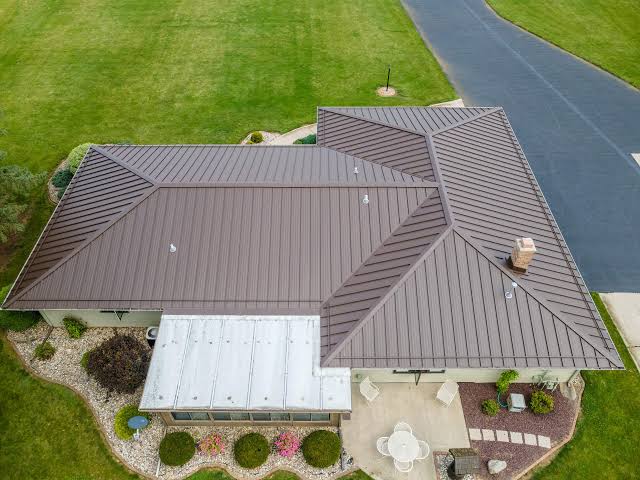
When your roof starts acting up, you’ll find no shortage of people willing to climb up there and take a look. But there’s a real difference between someone with a ladder and ambition, and a certified roofing contractor who has trained, tested, and earned the credentials to back up their work. We get this question a lot, so we wanted to lay out exactly what our certification means in practice, and what you should expect when you hire roofing services built around it.
We’re not writing this as outside observers commenting on the roofing industry. We are the roofing services being described here. Every process, standard, and step below is how we actually operate, and it’s why homeowners keep choosing us over roofers who skip the paperwork. If you want to see how we work firsthand, visit our roofing company’s homepage to browse our full range of services before reading on.
Certification Isn’t Just a Word on a Business Card
A lot of roof contractors call themselves “certified,” but the term actually means something specific. To be a certified roofing contractor, we’ve completed manufacturer-specific training programs, passed installation exams, and met ongoing continuing education requirements. Manufacturers like GAF, Owens Corning, and CertainTeed only extend their top-tier certifications to contractors who’ve proven they install roofing systems correctly, every time.
This matters more than most homeowners realize. When we install a roof under one of these certifications, the manufacturer backs our workmanship with an extended warranty that goes beyond the standard material warranty. If we mess up the installation, that enhanced warranty simply doesn’t apply. So certification isn’t a marketing badge, it’s a standard we’re held to on every single job.
Roof Inspections: Where Every Job Starts
Before we replace a single shingle or patch a single leak, we start with a full roof inspection. This is where a lot of local roofers cut corners, either by skipping the inspection entirely or doing a quick visual scan from the ground. We don’t work that way.
A proper inspection from our team includes:
-
Checking the shingles, tiles, or metal panels for wear, cracking, or granule loss
-
Inspecting flashing around chimneys, vents, and skylights for gaps or rust
-
Looking at the attic and decking from the inside for moisture, mold, or daylight coming through
-
Checking gutters and downspouts for proper drainage
-
Assessing the overall age and remaining lifespan of the roofing system
This step tells us whether you need a repair, a partial replacement, or a full tear-off. It also gives you, the homeowner, an honest picture instead of a sales pitch. If it’s been a while since your last inspection, or you’ve never had one, this is genuinely the best place to start protecting your investment. We’d rather find a small problem now than have you deal with a collapsed section of decking two winters from now.
Diagnosing Problems Before They Become Disasters
A roof rarely fails all at once. It fails slowly, one missing shingle or one cracked seal at a time, until water finds its way in. Part of what a certified roofing contractor does is catch these small failures before they become five-figure repairs.
We look for the early warning signs that untrained eyes tend to miss:
-
Curling or buckling shingles that signal heat damage or age
-
Dark streaks that indicate algae or moisture retention
-
Soft spots in the decking that suggest rot underneath
-
Nail pops or exposed fasteners that let water in
-
Sagging rooflines that point to structural stress
This is where the difference between a trained roofing contractor and a general handyman really shows. We’re not guessing based on what a roof looks like from the driveway. We’re trained to recognize what’s happening underneath the surface, and to explain it to you in plain language, not scare tactics.
Choosing the Right Materials for Your Home
Roofing services aren’t one-size-fits-all, and this is another area where certification pays off. Manufacturer training means we understand the technical specifications, ventilation requirements, and installation tolerances for each product line we offer, whether that’s asphalt shingles, architectural shingles, metal roofing, or specialty tile.
We walk homeowners through:
-
Durability and expected lifespan for each material option
-
Energy efficiency and how ventilation affects attic temperature
-
Aesthetic fit with the rest of the home
-
Budget and long-term value, not just upfront cost
-
Warranty coverage tied to certified installation
A roof is one of the largest investments you’ll make in your home, and the material choice affects everything from your energy bills to your resale value. We treat that decision with the seriousness it deserves, not as an upsell opportunity.
Installation Standards That Actually Get Followed
This is the part of the job where certification separates trained roof contractors from everyone else. Manufacturer certification comes with strict installation protocols: nailing patterns, underlayment requirements, flashing details, ventilation ratios, and more. Skip any one of these steps and you risk voiding the warranty, or worse, setting the homeowner up for premature failure.
Our crews follow manufacturer specifications on every job because that’s a requirement of maintaining our certified status, not an optional best practice. This includes:
-
Proper underlayment installation for weather protection
-
Correct nailing patterns and fastener placement
-
Precise flashing work around penetrations and valleys
-
Balanced attic ventilation to prevent heat and moisture buildup
-
Final walkthrough and cleanup before we consider a job complete
If you’re comparing quotes from different roofing services, it’s worth asking directly whether the installation will follow manufacturer-certified standards, or whether corners might get cut to save time.
Not sure what condition your roof is actually in? This is a good moment to schedule a free roof inspection with our team before committing to any repair or replacement decision.
Repairs, Maintenance, and Extending Your Roof’s Life
Not every roofing job is a full replacement. A big part of what we do day-to-day is repair and maintenance work that extends the life of an existing roof. This includes fixing storm damage, replacing damaged flashing, resealing vents and skylights, and addressing minor leaks before they spread.
We also recommend routine maintenance for homeowners who want to get the maximum lifespan out of their current roof. Regular gutter cleaning, debris removal, and periodic inspections can add years to a roof’s service life, and it’s far less expensive than a premature replacement.
Working With Insurance After Storm Damage
Storm damage is one of the more stressful situations homeowners face, and it’s another area where a certified roofing contractor earns their keep. We document damage thoroughly with photos and detailed reports, and we know how to communicate with insurance adjusters in the language they expect.
This documentation matters. Insurance claims get denied or underpaid more often when the damage isn’t properly recorded, or when the contractor doing the assessment isn’t experienced with the claims process. We’ve been through this enough times to know what adjusters look for, and we make sure nothing gets overlooked.
Why Homeowners Should Care About Certification
At this point you might be wondering: does any of this actually matter to me as a homeowner, or is it just industry jargon? It matters for a few concrete reasons.
First, certified installation typically comes with a stronger warranty, sometimes covering both materials and labor for decades. Second, certification means the contractor has been vetted by a manufacturer with a reputation to protect, which adds a layer of accountability beyond a state license. Third, it usually correlates with better craftsmanship, because contractors who invest in ongoing training tend to take the work more seriously across the board.
When you’re comparing local roofers, certification is one of the clearest signals of who’s actually qualified versus who’s simply available.
What to Ask Before Hiring Any Roofing Contractor
If you’re vetting roof contractors for an upcoming project, here are a few questions worth asking:
-
Are you certified by the manufacturer of the materials you’re installing?
-
Can you provide proof of licensing and insurance?
-
What warranty applies to both materials and workmanship?
-
Do you provide a written inspection report before quoting a price?
-
Can I see examples of past work or speak with previous customers?
A contractor confident in their qualifications will answer these without hesitation. If you get vague answers or pushback, that’s worth noting.
Our Approach to Every Roofing Project
We built our business around the idea that homeowners deserve straight answers, documented inspections, and installation work that actually meets manufacturer standards, not shortcuts dressed up as efficiency. Every project starts with an honest assessment, moves through a clear explanation of options, and ends with work we’re willing to stand behind under our certification.
We’d love the chance to show you the difference firsthand. To learn more about our team, our credentials, and the standards we hold ourselves to, take a look at our roofing company’s background and team.
Ready to Get a Clear Answer About Your Roof?
If you’ve been putting off dealing with a leak, missing shingles, or just want a second opinion before your next storm season, we’re ready to help. Contact our team today to schedule your inspection and get a straightforward assessment, no pressure, no guesswork.
Frequently Asked Questions
What does it mean if a roofing contractor is "certified"?
It means the contractor has completed manufacturer-specific training and testing, and has been authorized to install that manufacturer’s products according to strict standards, often unlocking enhanced warranty coverage in the process.
Is a certified roofing contractor more expensive than a regular contractor?
Not necessarily. Pricing depends on the scope of work, materials, and your home’s specifics. Certification reflects training and accountability, not automatically a higher price tag.
How long does a typical roof inspection take?
Most inspections take between 30 minutes and an hour, depending on the size and complexity of the roof, and whether attic access is needed.
Do I need a full roof replacement, or can it be repaired?
That depends entirely on the extent of the damage and the age of the roofing system. A proper inspection is the only reliable way to know, which is why we always start there.
How often should I have my roof inspected?
We generally recommend an inspection once a year, and additionally after any major storm with high winds or hail.
Does certification affect my warranty coverage?
Yes. Many manufacturer warranties are only valid, or offer extended coverage, when installation is performed by a certified contractor following approved methods.
Free Roof Inspection
Fill out this short form and one of expert team members will contact you.


Secure your property with a team you can trust!
CLICK TO CALL
260-624-5723


