
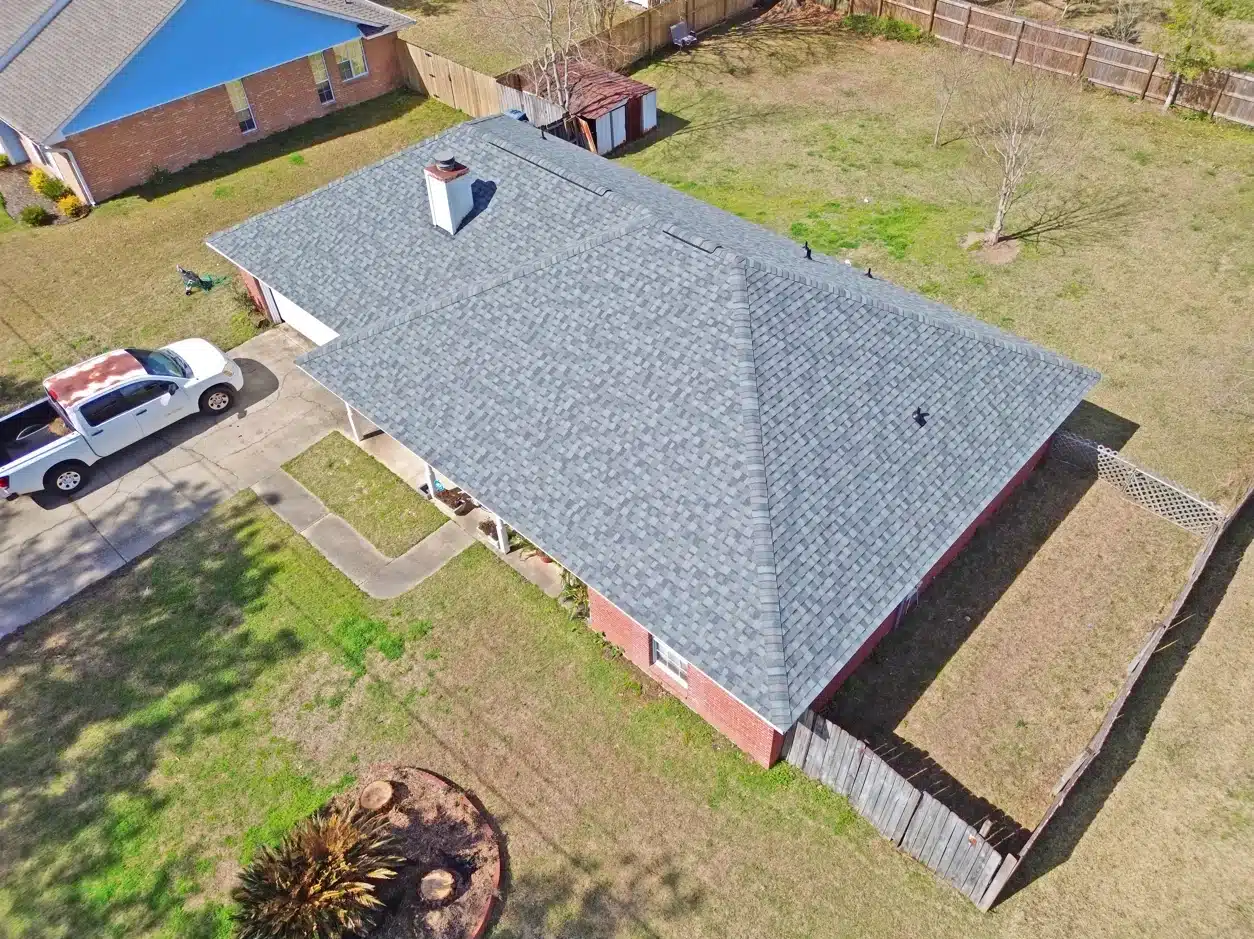
Hiring the right roof contractors is one of the most important decisions a homeowner or property owner will make. A roof protects everything underneath it, and the difference between a skilled team and an inexperienced one often doesn’t show up until months or years later, when leaks, premature wear, or voided warranties start causing real problems. Asking the right questions upfront is the single best way to avoid that outcome and move forward with confidence.
This guide walks through exactly what to ask before signing any contract, why each question matters, and what red flags to watch for along the way. Whether you’re comparing multiple bids or already leaning toward a specific company, these questions apply to any project, from a small repair to a full roof replacement. Companies such as JMS Exteriors LLC encourage this kind of due diligence, because a well-informed homeowner is far more likely to end up satisfied with the finished project.
Why Asking the Right Questions Matters So Much
Roofing work is not something most people evaluate every day, which makes it easy to be swayed by a polished sales pitch or a low estimate without fully understanding what’s included. Unlike smaller home projects, a poor roofing decision can lead to thousands of dollars in repair costs, interior water damage, and even structural issues if the work isn’t done correctly.
Asking pointed, specific questions accomplishes two things at once. First, it gives you the information you actually need to compare bids apples-to-apples rather than guessing based on price alone. Second, it reveals how a company operates before you’ve committed to working with them. A contractor who answers clearly and patiently is telling you something important about how they’ll handle communication throughout the project, while one who deflects or rushes you is showing you exactly what to expect if a problem arises later.
Are You Licensed, Bonded, and Insured?
This should always be the first question you ask, and the answer should come without hesitation. Licensing requirements vary, but a legitimate roofing company should be able to provide proof of a valid license immediately upon request. Bonding protects you financially if the contractor fails to complete the project as agreed, while insurance, specifically both liability coverage and workers’ compensation, protects you if an accident or injury occurs on your property during the job.
Never take a verbal confirmation at face value. Ask for documentation and, if needed, verify the license number independently. A certified roofing contractor will have no issue providing this information, since it’s a routine part of doing business professionally.
How Long Have You Been in Business, and Do You Have Local References?
Experience matters, but so does stability. A company that has operated successfully for several years has weathered the ups and downs of the industry and built systems that support consistent quality. Ask specifically for references from projects similar in scope to yours, and follow up with those references directly rather than relying solely on online reviews.
When comparing roofing contractors near me, look for companies with a track record of long-term relationships in their service area. A contractor with deep local experience understands regional weather patterns, common roofing materials used in the area, and the specific code requirements that apply to your property, all of which contribute to a smoother project overall.
What Warranty Coverage Do You Provide?
Warranty coverage typically falls into two categories: manufacturer warranties on materials and workmanship warranties covering the installation itself. Both matter, but the workmanship warranty is often overlooked. Even premium materials will fail prematurely if installed incorrectly, so a strong workmanship warranty is one of the clearest signs that a contractor stands behind the quality of their labor.
Ask specifically how long the workmanship warranty lasts, what it covers, and whether it’s transferable if you sell the property. A vague or unusually short answer here is worth taking seriously, since it may indicate the contractor isn’t fully confident in the durability of their own work.
Are You a Certified Roofing Contractor for This Material?
Not every roofer holds manufacturer certification for every roofing material, and this distinction matters more than many homeowners realize. A certified roofing contractor has completed specific training on proper installation techniques for a given product line, which often unlocks extended warranty coverage that isn’t available through non-certified installers.
If you’re considering a specific brand or material, such as a particular shingle line or metal roofing system, ask directly whether the company holds current certification for that product. This single question can significantly affect both the quality of the installation and the length of protection you’ll have moving forward.
What Does Your Written Estimate Actually Include?
A trustworthy estimate should break down costs clearly rather than presenting a single lump sum. Ask for an itemized breakdown covering materials, labor, tear-off and disposal, permits, and any additional charges that might apply if hidden damage is discovered once the old roofing is removed.
This level of detail matters because vague estimates make it nearly impossible to compare bids fairly. One company’s “complete roof replacement” quote might include full deck inspection and repair, while another’s might not, even if the total dollar amount looks similar on paper. Getting specifics in writing protects you from surprise charges once the project is underway.
How Will You Handle Unexpected Issues During the Project?
Roofing projects sometimes reveal problems that weren’t visible before the old roofing material was removed, such as rotted decking, damaged flashing, or inadequate ventilation. Ask how the contractor typically handles these situations. Do they stop and call you before proceeding, or do they simply move forward and add the charge to your final bill without prior approval?
A professional roofing company should have a clear, established process for this scenario, including documentation such as photos of the issue before any additional work begins. This protects both parties and ensures you’re never surprised by charges you didn’t authorize.
What Safety Measures Do You Follow on the Job Site?
Roofing is physically demanding and involves real safety risks, both for the crew and for anyone near the property during the project. Ask about the safety protocols the company follows, including fall protection equipment, job site cleanup procedures, and how they protect landscaping, siding, and other parts of the property during the work.
A company that takes safety seriously typically has fewer accidents, fewer delays, and a lower likelihood of property damage during the project. This is also a good indicator of overall professionalism and attention to detail.
Learning More Before You Decide
Beyond the direct questions you ask during a consultation, it’s worth taking time to research a company’s background and reputation independently. Reviewing a company’s history, values, and approach to customer service can reveal a lot about what to expect once you’ve signed a contract.
A quick look at a company’s history often tells you more than a sales call ever will. For example, JMS Exteriors LLC’s about page details their experience across residential and commercial roofing projects. Taking a few extra minutes to research a company this way often reveals details that don’t come up during a standard sales conversation.
What Happens If I’m Not Satisfied With the Finished Work?
This question is easy to overlook when everything seems to be going smoothly, but it’s important to understand your options before a project begins, not after. Ask how the company handles complaints or concerns after project completion, and whether there’s a formal process for addressing issues that arise during the workmanship warranty period.
A confident, established contractor will have a clear answer here, often involving a follow-up inspection and a straightforward process for corrections. Hesitation or vague deflection on this question is a signal worth paying attention to.
Red Flags That Should Make You Pause
Beyond the specific questions above, a few behaviors during the estimate process consistently signal trouble. Be cautious of contractors who pressure you to sign immediately with a same-day discount, since legitimate roof contractors understand that a major investment deserves time for comparison. Door-to-door solicitation immediately following a storm, especially from unfamiliar companies with no verifiable local presence, also warrants extra scrutiny.
Watch for contractors who ask for full payment upfront before any work begins, as reputable companies typically structure payment around a reasonable deposit with the balance due at completion or agreed milestones. Finally, pay close attention to communication style during the estimate process itself. If a company is difficult to reach, slow to respond, or vague when answering direct questions before you’ve even signed anything, that pattern is likely to continue throughout the project.
Comparing Roof Contractors Side by Side
Once you’ve asked these questions of multiple companies, take time to compare the answers side by side rather than relying on memory alone. Write down each contractor’s responses regarding licensing, warranty terms, certification status, and estimate details. This comparison often makes the right choice much clearer than price alone ever could.
Remember that the lowest bid isn’t always the best value, especially if it comes with vague answers, no certification, or a short workmanship warranty. A slightly higher estimate from a certified roofing contractor with a strong track record and clear communication often represents a better long-term investment for your property.
Ready to Talk to a Team That Welcomes These Questions?
The easiest way to see how a company measures up is to start the conversation directly. Set up a complimentary roof inspection and see for yourself how your questions get answered.
Still have questions about certifications, warranty coverage, or what to expect? Send us a message and a roofing specialist will walk you through it.
Frequently Asked Questions
What's the most important question to ask roof contractors before hiring them?
Confirming licensing, bonding, and insurance should always come first. Without this foundation, none of the other details, including warranty terms or pricing, offer meaningful protection if something goes wrong.
How do I verify if someone is a certified roofing contractor?
Ask the company directly which manufacturer certifications they hold and for which materials. Most manufacturers also maintain online directories of certified installers, which you can use to independently confirm the claim.
Is it normal for roofing contractors near me to require a deposit?
Yes, a reasonable deposit is standard practice for most roofing projects. Be cautious, however, of any contractor requesting full payment before work begins, as this is a common red flag.
How many roof contractors should I get quotes from before deciding?
Most experts recommend collecting at least three detailed estimates. This gives you enough information to compare pricing, scope, and communication style before making a final decision.
What should I do if a contractor can't answer my questions clearly?
Treat vague or evasive answers as a serious warning sign. A trustworthy contractor should be able to explain licensing, warranty coverage, and project details clearly and without hesitation.
Free Roof Inspection
Fill out this short form and one of expert team members will contact you.


Secure your property with a team you can trust!
CLICK TO CALL
260-624-5723


