
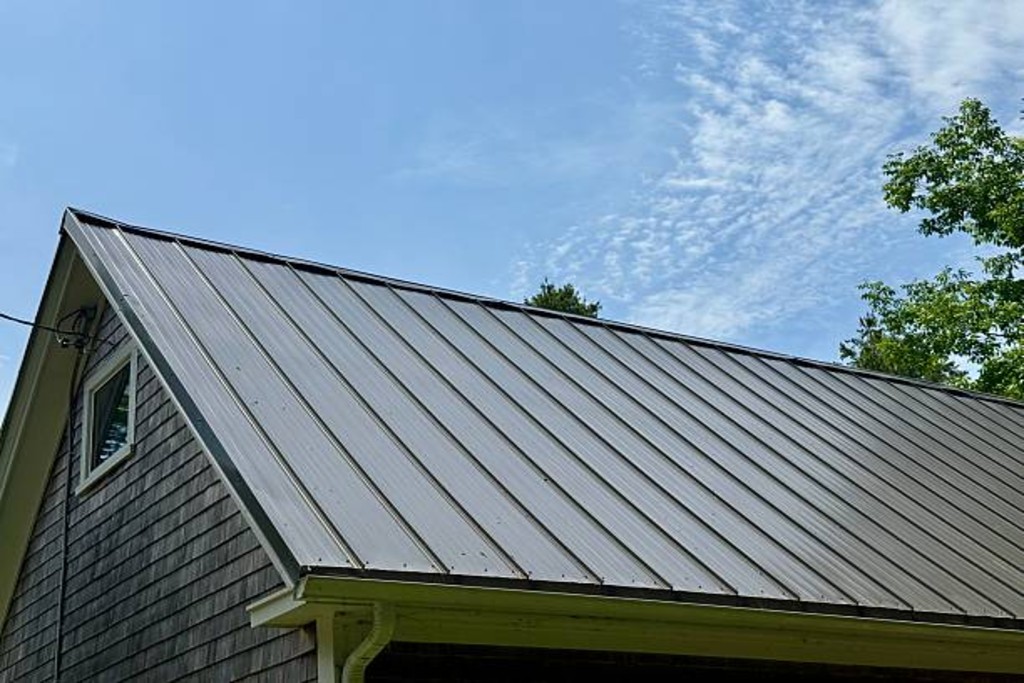
Choosing the right roofing material is one of the most important decisions homeowners make when protecting their property. Your roof impacts everything from curb appeal and resale value to energy efficiency, maintenance costs, and long-term durability. With so many roofing options available today, many homeowners find themselves comparing two of the most popular choices: metal roofing and shingle roofing.
Both roofing systems offer unique advantages, but the best option depends on your budget, climate conditions, maintenance expectations, and long-term home improvement goals. Some homeowners prioritize affordability and traditional appearance, while others focus on durability, energy savings, and lifespan.
As interest in metal roofing vs shingle roofing Indiana homeowners compare continues growing, understanding the key differences between these materials becomes essential before making a final investment. A roof replacement is a major project, and selecting the right system can significantly affect your home’s long-term performance and value.
That is why many homeowners rely on professional roofing experts at JMS Exteriors for trusted guidance, quality craftsmanship, and customized roofing solutions designed to match individual property needs.
This detailed guide explores the differences between metal roofing and shingle roofing, including durability, cost, lifespan, energy efficiency, maintenance, resale value, and installation considerations to help homeowners make informed roofing decisions.
Understanding the Importance of Roofing Material Selection
Your roofing system serves as the first line of defense against weather, moisture, heat, and environmental damage. The material you choose directly affects:
- Home protection
- Energy efficiency
- Maintenance requirements
- Roof lifespan
- Insurance considerations
- Property value
- Overall appearance
Selecting the right roof requires balancing upfront costs with long-term performance and durability.
What Is Metal Roofing?
Metal roofing systems are made from durable metal panels or shingles designed to provide long-lasting protection and weather resistance.
Common Metal Roofing Materials
Popular metal roofing materials include:
- Steel
- Aluminum
- Copper
- Zinc
- Galvanized metal
Types of Metal Roof Designs
Modern metal roofs are available in multiple styles, including:
- Standing seam panels
- Corrugated panels
- Metal shingles
- Stone-coated steel
Today’s metal roofs can complement both modern and traditional home designs.
What Is Shingle Roofing?
Shingle roofing remains one of the most widely used residential roofing systems because of its affordability and traditional appearance.
Common Types of Shingles
Popular shingle roofing materials include:
- Asphalt shingles
- Architectural shingles
- Fiberglass shingles
- Composite shingles
Why Shingle Roofs Are Popular
Many homeowners choose shingle roofing because it offers:
- Lower upfront costs
- Variety of colors and styles
- Easier installation
- Familiar appearance
- Wide availability
Shingle roofs continue to be a practical choice for many residential properties.
Metal Roofing vs Shingle Roofing Indiana: Key Differences
Understanding the differences between these roofing systems helps homeowners choose the best option for their needs.
Appearance and Design
Shingle roofs offer a classic residential appearance familiar to many neighborhoods.
Metal roofing provides a more modern and premium aesthetic while also offering styles designed to mimic traditional shingles.
Material Composition
Shingle roofing uses layered materials such as asphalt and fiberglass.
Metal roofing uses steel, aluminum, or other durable metals designed for long-term performance.
Overall Performance
Metal roofs are generally known for:
- Greater durability
- Longer lifespan
- Improved energy efficiency
- Higher weather resistance
Shingle roofs are commonly valued for:
- Affordability
- Easier repairs
- Traditional curb appeal
Comparing Durability Between Metal and Shingle Roofing
Durability is one of the most important factors when comparing roofing systems.
Metal Roofing Durability
Metal roofing is widely recognized for exceptional durability and weather resistance.
Metal roofs can withstand:
- Heavy rain
- Strong winds
- Snow accumulation
- Hail impact
- UV exposure
- Temperature fluctuations
Modern metal systems are designed to resist corrosion, cracking, and warping.
Shingle Roofing Durability
Shingle roofing also provides reliable protection when installed properly.
However, shingles may become more vulnerable over time due to:
- Wind damage
- Curling
- Cracking
- Moisture exposure
- Granule loss
Architectural shingles often provide better durability than standard asphalt shingles.
Which Roof Handles Severe Weather Better?
In many cases, metal roofing provides stronger long-term resistance against severe weather conditions compared to traditional shingles.
Cost Comparison: Metal Roofing vs Shingle Roofing
Cost is often one of the biggest deciding factors for homeowners.
Upfront Installation Costs
Shingle roofing usually has a lower initial installation cost.
Metal roofing generally requires:
- Higher material costs
- Specialized installation
- Additional labor expertise
Long-Term Cost Considerations
Although metal roofs cost more initially, they may reduce long-term expenses through:
- Lower maintenance
- Longer lifespan
- Fewer repairs
- Better energy efficiency
Budget-Friendly Roofing Decisions
For homeowners prioritizing lower upfront costs, shingle roofing may be the more practical option.
Those focused on long-term value may benefit from metal roofing despite the higher initial investment.
Lifespan Comparison Between Roofing Materials
Roof lifespan plays a major role in overall value.
Metal Roof Lifespan
Metal roofs are known for impressive longevity.
Many systems can last:
- 40 to 70 years
- Or longer with proper maintenance
Shingle Roof Lifespan
Shingle roofs generally have shorter lifespans.
Average lifespan may range between:
- 15 to 30 years
- Depending on material quality and climate conditions
Long-Term Investment Value
Homeowners planning long-term property ownership often consider metal roofing because of its extended lifespan and reduced replacement frequency.
Energy Efficiency Differences
Energy efficiency impacts both comfort and utility costs.
Metal Roofing Energy Efficiency
Metal roofing reflects solar heat more effectively than many traditional materials.
This may help reduce:
- Indoor heat buildup
- Cooling system strain
- Energy consumption
Reflective coatings can further improve efficiency.
Shingle Roofing Energy Performance
Traditional asphalt shingles tend to absorb more heat.
However, modern energy-efficient shingles are available with improved reflective properties.
Which Roof Saves More Energy?
Metal roofing often provides better long-term energy efficiency, especially in warmer climates with significant sun exposure.
Maintenance Requirements for Metal and Shingle Roofs
Maintenance needs vary significantly between roofing systems.
Metal Roofing Maintenance
Metal roofs generally require less maintenance.
Routine maintenance may include:
- Cleaning debris
- Checking fasteners
- Inspecting seams
- Monitoring coatings
Shingle Roofing Maintenance
Shingle roofs may require more frequent inspections and repairs because of:
- Missing shingles
- Wind damage
- Granule wear
- Moisture issues
Repair Accessibility
Shingle repairs are often simpler and less expensive than metal roof repairs.
However, metal roofs may require fewer repairs overall.
Resale Value and Home Appeal
Roofing can significantly affect property value and buyer interest.
Metal Roofing and Resale Value
Metal roofing is often viewed as a premium home upgrade.
Potential benefits include:
- Increased resale value
- Improved curb appeal
- Better energy performance
- Long-term durability appeal
Shingle Roofing and Buyer Expectations
Shingle roofs remain widely accepted and familiar to many buyers.
A newer shingle roof can still improve:
- Buyer confidence
- Property appearance
- Home marketability
Which Roofing Material Adds More Value?
Metal roofs may provide stronger long-term resale value due to their lifespan and durability benefits.
Noise Considerations for Roofing Systems
Some homeowners worry about noise levels with metal roofing.
Is Metal Roofing Noisy?
Modern metal roofs installed with proper insulation and underlayment are often no louder than other roofing systems during rain or storms.
Shingle Roofing Noise Levels
Shingle roofing naturally absorbs sound more effectively due to its material composition.
Proper attic insulation helps minimize noise for both roofing types.
Installation Considerations
Professional installation quality greatly impacts roof performance.
Importance of Experienced Roofers
Improper installation can lead to:
- Leaks
- Structural issues
- Reduced lifespan
- Warranty problems
Working with experienced roofing contractors is essential for both systems.
Metal Roofing Installation Complexity
Metal roofs often require:
- Specialized tools
- Precision measurements
- Experienced installers
Homeowners considering premium roofing systems may explore professional metal roofing services for expert installation guidance and long-term durability solutions.
Shingle Roofing Installation
Shingle roofing is generally easier and faster to install.
Homeowners seeking traditional roofing options can also learn more about professional shingle roofing services designed for residential durability and curb appeal.
Environmental Impact of Roofing Materials
Sustainability is becoming more important for homeowners.
Metal Roofing Sustainability
Metal roofs are often made from recyclable materials and may be recycled again after removal.
Shingle Roofing Waste
Traditional asphalt shingles may contribute more landfill waste after replacement.
Energy Conservation Benefits
Metal roofing may help reduce environmental impact through improved energy efficiency and longer lifespan.
Which Roofing Option Is Best for Your Home?
The best roofing choice depends on several factors.
Choose Metal Roofing If You Want:
- Maximum durability
- Long lifespan
- Better energy efficiency
- Premium appearance
- Reduced long-term maintenance
Choose Shingle Roofing If You Want:
- Lower upfront cost
- Traditional residential style
- Easier repairs
- Faster installation
- Budget-friendly replacement
Consider Your Long-Term Goals
Homeowners should evaluate:
- Budget
- Climate conditions
- Maintenance expectations
- Home style
- Property ownership plans
Professional roofing consultations can help determine the most suitable option.
Why Professional Roofing Expertise Matters
Roof replacement is a significant investment that requires careful planning, proper installation, and long-term attention to quality. Experienced roofing professionals understand how different roofing materials perform under varying weather conditions and can recommend the best solution based on your home’s structure and protection needs.
They also consider important factors such as ventilation systems, structural integrity, drainage, and installation best practices to ensure the roof performs efficiently for years to come. Hiring skilled contractors not only improves the overall quality of the installation but also helps maximize your roof’s durability, energy efficiency, and long-term value while reducing the risk of costly future repairs.
Signs It May Be Time to Replace Your Roof
Homeowners should watch for warning signs such as:
- Missing shingles
- Water leaks
- Curling materials
- Roof sagging
- Frequent repairs
- Granule loss
- Storm damage
Addressing roofing issues early helps prevent more costly structural damage.
Conclusion
Choosing between metal roofing and shingle roofing requires careful consideration of durability, cost, energy efficiency, lifespan, maintenance, and long-term value. Both roofing systems offer unique advantages, but the best option depends on your budget, property goals, and performance expectations.
When comparing metal roofing vs shingle roofing Indiana homeowners commonly evaluate, metal roofing often stands out for its exceptional durability, energy efficiency, and long lifespan. Shingle roofing, however, remains a popular choice for affordability, traditional curb appeal, and easier installation.
The right roofing investment can improve your home’s protection, comfort, and resale value for many years to come.
If you are considering a roof replacement or want expert guidance on selecting the best roofing system for your home, visit the JMS Exteriors contact page to schedule a professional consultation today.
Frequently Asked Questions
Does metal roofing really increase home value?
How does a metal roof improve ROI?
Are metal roofs energy efficient?
Will a metal roof improve curb appeal?
Is metal roofing suitable for all homes?
Free Roof Inspection
Fill out this short form and one of expert team members will contact you.


Secure your property with a team you can trust!
CLICK TO CALL
260-624-5723


