
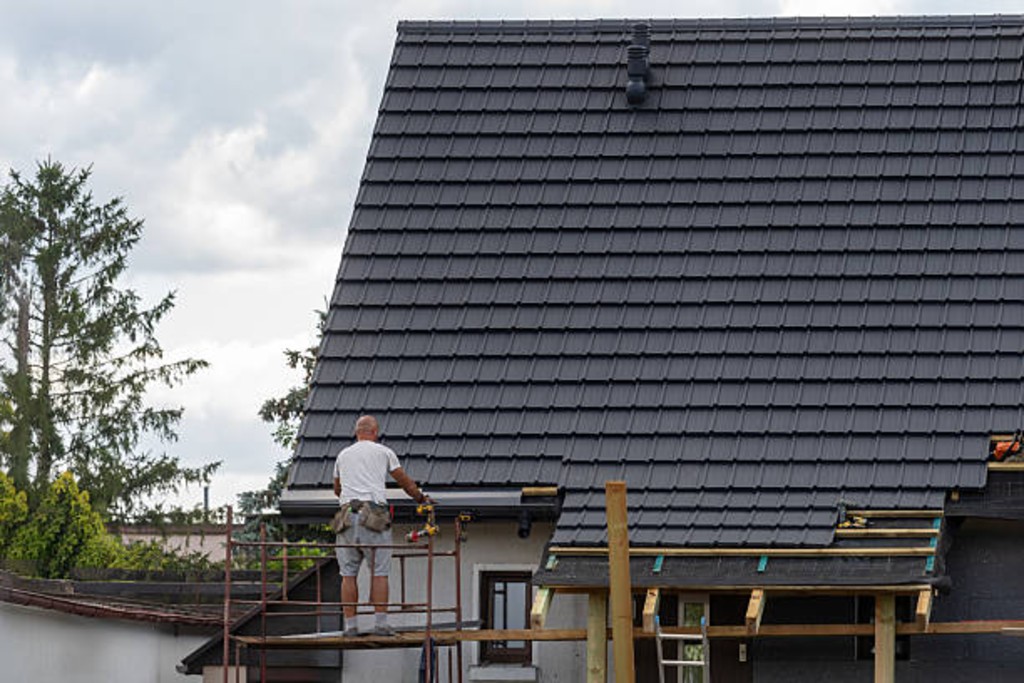
Replacing a roof is one of the most important investments homeowners make to protect their property, improve energy efficiency, and maintain long-term home value. However, one of the biggest concerns many homeowners face is understanding exactly how much a roof replacement will cost and what factors influence pricing.
Roof replacement pricing can vary significantly depending on roofing materials, labor requirements, roof size, structural conditions, permits, and contractor expertise. Without proper planning, homeowners may feel overwhelmed by unexpected expenses or unclear estimates.
As more homeowners research roof replacement cost Fort Wayne projects, transparency has become increasingly important. People want accurate pricing information, realistic budgeting expectations, and a better understanding of where their money goes during a roofing project.
That is why many property owners rely on trusted roofing professionals at JMS Exteriors for honest guidance, detailed inspections, transparent pricing, and high-quality roofing solutions designed for long-term value.
This comprehensive guide explains the major factors that influence roof replacement costs, average pricing ranges, labor considerations, material options, permit requirements, return on investment, and budgeting strategies to help homeowners make informed decisions.
Why Roof Replacement Is a Major Investment
A roof protects your home from weather, moisture, structural damage, and energy loss. Investing in a high-quality roofing system can improve both protection and property value.
Roof replacement impacts:
- Structural integrity
- Energy efficiency
- Home resale value
- Insurance considerations
- Maintenance costs
- Long-term durability
Because roofing projects involve both materials and skilled labor, proper budgeting is essential before beginning the replacement process.
Understanding Roof Replacement Cost Fort Wayne Homeowners Research
Roof replacement pricing is not based on a single fixed number. Costs vary depending on multiple factors unique to each property.
Key cost variables include:
- Roof size
- Roofing materials
- Labor complexity
- Roof pitch
- Structural repairs
- Permit fees
- Ventilation upgrades
- Removal of old roofing
Every roofing project requires a customized estimate based on the property’s condition and homeowner goals.
Average Roof Replacement Costs
One of the first questions homeowners ask is how much roof replacement typically costs.
General Pricing Expectations
Average costs can vary significantly depending on roofing material and project complexity.
Typical roof replacement projects may range from moderate to premium pricing levels depending on:
- Roof size
- Material quality
- Home design
- Installation difficulty
- Roofing system selected
Why Costs Differ Between Homes
Even homes with similar square footage may have different roofing costs because of:
- Steep roof slopes
- Multiple roof levels
- Chimneys and skylights
- Ventilation requirements
- Existing roof damage
Professional inspections help identify these variables before final pricing is provided.
Roofing Material Costs Explained
Roofing material selection is one of the biggest factors affecting replacement costs.
Asphalt Shingles
Asphalt shingles remain one of the most common roofing materials because they are affordable and widely available.
Benefits include:
- Lower upfront costs
- Traditional appearance
- Variety of styles
- Easier installation
However, lifespan and durability may be lower compared to premium materials.
Architectural Shingles
Architectural shingles offer upgraded durability and appearance compared to basic asphalt shingles.
Advantages include:
- Improved lifespan
- Better wind resistance
- Enhanced curb appeal
- Increased durability
These shingles typically cost more than standard asphalt options.
Metal Roofing
Metal roofing is considered a premium roofing system because of its durability and long lifespan.
Benefits include:
- Exceptional durability
- Energy efficiency
- Long-term value
- Weather resistance
Although upfront costs are higher, metal roofing may reduce long-term maintenance expenses.
Premium Roofing Materials
Higher-end materials may include:
- Standing seam metal
- Synthetic roofing
- Specialty shingles
- Designer roofing systems
These options often provide enhanced appearance and durability.
Labor Costs for Roof Replacement
Labor is another major component of roof replacement pricing.
What Labor Costs Include
Professional roofing labor may include:
- Old roof removal
- Deck inspection
- Installation preparation
- Material installation
- Cleanup and disposal
- Safety equipment
Why Roofing Labor Costs Vary
Labor pricing may increase because of:
- Steep roof angles
- Complex roof designs
- Difficult accessibility
- Weather conditions
- Multi-story homes
Experienced roofing contractors often charge more because of their expertise, installation quality, and workmanship standards.
Importance of Skilled Roofing Professionals
Hiring experienced contractors helps reduce risks such as:
- Improper installation
- Roof leaks
- Structural issues
- Ventilation problems
- Warranty complications
Choosing skilled professionals improves long-term roofing performance and durability.
Roof Size and Structural Complexity
Roof size significantly affects overall replacement costs.
Larger Roofs Require More Materials
Bigger roofs naturally require:
- More shingles or panels
- Additional underlayment
- More flashing materials
- Increased labor time
Complex Roof Designs Increase Costs
Roofs with complex layouts may require more installation precision.
Examples include:
- Multiple valleys
- Dormers
- Skylights
- Chimneys
- Sharp roof angles
Complex designs increase labor time and material waste.
Roof Tear-Off and Disposal Costs
Before installing a new roof, contractors often remove the old roofing system.
What Tear-Off Includes
Roof tear-off services may involve:
- Removing old shingles
- Disposing of debris
- Inspecting roof decking
- Preparing the surface
Multiple Roofing Layers
Homes with multiple existing roofing layers may require additional labor and disposal costs.
Why Proper Disposal Matters
Professional disposal ensures:
- Safe cleanup
- Environmental compliance
- Property protection
- Efficient project completion
Roof Deck Repairs and Structural Issues
Unexpected structural problems may increase roof replacement costs.
Common Structural Concerns
Roof inspections may uncover:
- Rotten decking
- Water damage
- Mold issues
- Sagging areas
- Ventilation problems
Why Repairs Are Important
Ignoring structural issues can shorten the lifespan of a new roof and create ongoing problems.
Repairing underlying damage ensures a stable foundation for the new roofing system.
Permit Costs and Roofing Regulations
Many roof replacement projects require permits.
Why Roofing Permits Matter
Permits help ensure roofing work meets:
- Building codes
- Safety standards
- Structural regulations
Permit Costs
Permit pricing varies depending on project scope and local requirements.
Permit fees are typically included in professional roofing estimates.
Inspections and Compliance
Professional contractors handle permit applications and inspection coordination to ensure compliance throughout the project.
Energy Efficiency and Long-Term Savings
Roofing systems directly impact energy performance.
Energy-Efficient Roofing Materials
Modern roofing materials can help reduce:
- Heat transfer
- Cooling costs
- Indoor temperature fluctuations
Ventilation Upgrades
Roof replacement projects may also include ventilation improvements to support:
- Better airflow
- Moisture control
- Attic temperature regulation
Long-Term Utility Savings
Energy-efficient roofing may reduce monthly utility expenses over time.
Return on Investment (ROI) for Roof Replacement
Roof replacement can provide strong long-term value.
How Roofing Improves Home Value
A new roof may increase:
- Buyer confidence
- Property appearance
- Marketability
- Structural reliability
Roofing and Resale Value
Potential buyers often view roof condition as a major factor when evaluating homes.
Modern roofing systems may improve resale value and help properties sell faster.
Long-Term Financial Benefits
Roof replacement can reduce future repair costs and improve overall home efficiency.
Budgeting Tips for Roof Replacement
Planning ahead helps homeowners manage roofing expenses more effectively.
Get Multiple Estimates
Comparing estimates helps homeowners understand:
- Pricing differences
- Material options
- Scope of work
- Contractor experience
Prioritize Quality Over Lowest Price
The cheapest estimate is not always the best option.
Low-cost roofing work may result in:
- Poor installation
- Shorter lifespan
- Increased repair costs
Plan for Unexpected Costs
Roof inspections may uncover hidden damage requiring additional repairs.
Budget flexibility helps reduce financial stress during the project.
Importance of Roof Inspections Before Replacement
Professional inspections provide accurate project assessments.
What Roof Inspections Evaluate
Roof inspections may assess:
- Roof age
- Structural condition
- Ventilation
- Water damage
- Material wear
Why Inspections Matter
Inspections help homeowners understand:
- Current roof condition
- Replacement urgency
- Repair needs
- Estimated project costs
Homeowners considering roof replacement can schedule a professional roof inspection service to receive expert evaluations and customized recommendations.
How to Choose the Right Roofing Contractor
Choosing the right contractor is critical for project success.
Look for Experienced Roofing Companies
Professional roofing contractors should offer:
- Proper licensing
- Insurance coverage
- Detailed estimates
- Quality workmanship
- Strong client reviews
Ask Important Questions
Homeowners should ask:
- What materials are recommended?
- Are permits included?
- What warranties are available?
- How long will the project take?
- What cleanup procedures are included?
Importance of Transparency
Transparent contractors explain pricing, timelines, and project details clearly before work begins.
Why Professional Roofing Expertise Matters
Roof replacement is a major investment that requires careful planning, proper installation, and long-term attention to quality. Experienced roofing professionals understand how different roofing materials perform under varying weather conditions and can recommend the best solution based on your home’s structure and protection needs. They also consider important factors such as ventilation systems, structural integrity, drainage, and installation best practices to ensure the roof performs efficiently for years to come. Hiring skilled contractors not only improves the overall quality of the installation but also helps maximize your roof’s durability, energy efficiency, and long-term value while reducing the risk of costly future repairs.
Homeowners interested in learning more about company experience and roofing expertise can explore the JMS Exteriors team and company background.
Signs It May Be Time to Replace Your Roof
Homeowners should watch for warning signs such as:
- Missing shingles
- Roof leaks
- Water stains
- Sagging roof areas
- Curling shingles
- Storm damage
- Granule loss
Addressing roofing problems early helps prevent more extensive structural damage.
Conclusion
Understanding roof replacement cost Fort Wayne homeowners commonly research requires evaluating multiple factors, including roofing materials, labor, permits, structural repairs, energy efficiency, and long-term return on investment. Every roofing project is unique, which is why accurate inspections and transparent estimates are essential before beginning replacement work.
While roof replacement may feel like a major expense, investing in quality materials and experienced roofing professionals can provide long-term protection, improved energy performance, stronger resale value, and reduced maintenance costs over time.
Whether you are budgeting for a future roofing project or ready to replace an aging roof, working with trusted professionals helps ensure a smoother and more cost-effective experience.
If you are ready to discuss your roofing needs or schedule a professional consultation, visit the JMS Exteriors contact page to get started today.
Frequently Asked Questions
What affects roof replacement cost the most?
Major factors include roofing materials, labor complexity, roof size, structural repairs, and permit requirements.
How much does roof replacement typically cost?
Roof replacement pricing varies depending on project size, material selection, and installation complexity.
Are roofing permits required for replacement projects?
Many roof replacement projects require permits to ensure compliance with building codes and safety regulations.
Why do labor costs vary between roofing projects?
Labor pricing depends on roof pitch, accessibility, project complexity, and contractor expertise.
Which roofing material is most affordable?
Standard asphalt shingles are typically among the most affordable roofing materials.
Free Roof Inspection
Fill out this short form and one of expert team members will contact you.


Secure your property with a team you can trust!
CLICK TO CALL
260-624-5723


