
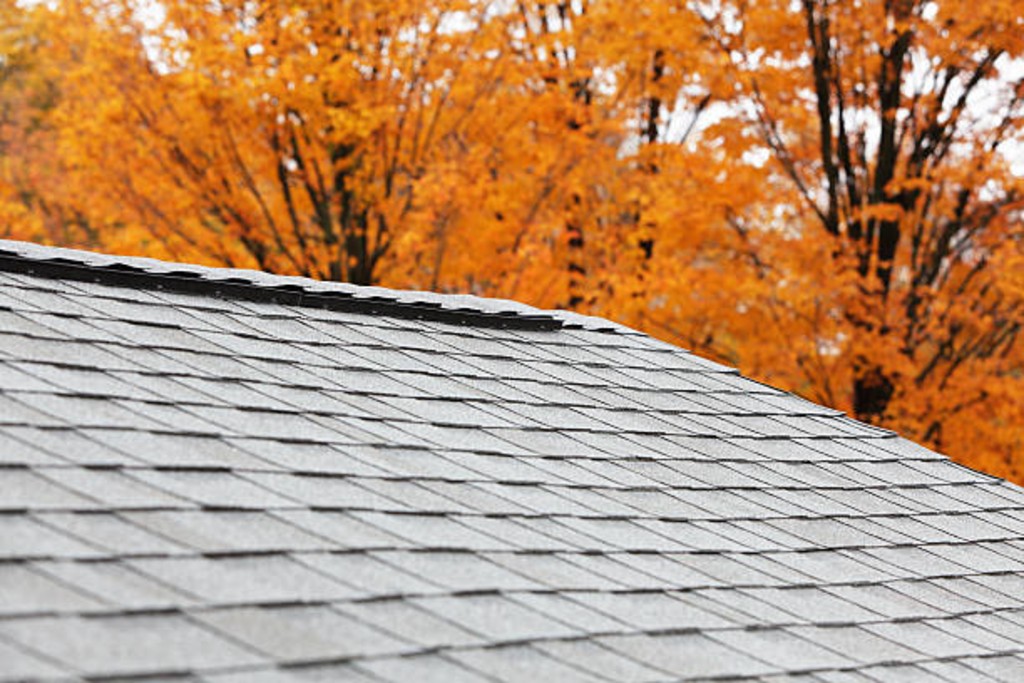
Your roof protects your home from rain, wind, snow, and extreme temperature changes. However, roofs experience constant exposure to the elements, which can gradually weaken materials and lead to costly repairs if not properly maintained. That is why following a consistent Indiana roof maintenance checklist is essential for homeowners who want to extend the life of their roofing system and prevent unexpected damage.
Seasonal weather changes can place significant stress on shingles, flashing, gutters, and structural components. From heavy storms in warmer months to snow accumulation in winter, every season brings unique challenges. By performing routine inspections and maintenance throughout the year, property owners can identify problems early and maintain long-term roof performance.
Many homeowners also choose to consult experienced exterior professionals such as trusted roofing and exterior specialists who can provide expert inspections and maintenance guidance. Professional support combined with regular homeowner checks ensures that roofing systems remain durable and reliable in all conditions.
In this comprehensive guide, we will explore a practical Indiana roof maintenance checklist, including spring roof check procedures, winter prep tips, storm readiness strategies, and proper gutter care techniques that help protect your roof year-round.
Why Seasonal Roof Maintenance Matters
Roof maintenance is not just about fixing problems after they appear. Proactive inspections help homeowners detect issues before they become expensive repairs.
Following a consistent Indiana roof maintenance checklist provides several benefits:
- prevents water intrusion and leaks
- extends the lifespan of roofing materials
- reduces emergency repair costs
- protects structural integrity
- improves overall home safety
Routine maintenance also ensures your roof remains prepared for sudden storms or seasonal temperature changes. Homeowners who schedule inspections with experienced roofing professionals often discover small issues that can be repaired quickly before they develop into major structural problems.
Understanding the tasks required for each season makes roof maintenance manageable and effective.
Spring Roof Check: Inspecting Damage After Winter
Winter conditions can be particularly harsh on roofing systems. Snow, ice accumulation, and freezing temperatures may cause hidden damage that becomes visible once the weather warms up. Conducting a thorough spring roof check is the first step in the annual Indiana roof maintenance checklist.
Inspect Shingles for Winter Damage
Start by visually examining your roof from the ground or with binoculars. Look for signs such as:
- missing shingles
- cracked or curling edges
- loose or lifted shingles
- discoloration caused by moisture
These issues can allow water to penetrate the roof structure if not repaired promptly.
Check Flashing and Roof Seals
Flashing protects vulnerable areas such as chimneys, vents, and roof valleys. Winter temperature fluctuations can loosen or warp flashing materials.
Ensure flashing remains sealed and securely attached.
Examine Attic Ventilation
Proper attic ventilation prevents moisture buildup that may lead to mold growth or wood rot. During your spring roof check, inspect the attic for signs of condensation, damp insulation, or mildew odors.
Summer Maintenance and Storm Readiness
Warmer months often bring heavy rain, thunderstorms, and strong winds. Preparing your roof for these conditions is an important part of storm readiness.
Secure Loose Roofing Materials
Wind can easily lift damaged or loose shingles. Repairing them early helps prevent larger sections from detaching during storms.
Inspect Roof Valleys
Roof valleys guide rainwater toward drainage areas. Debris accumulation can obstruct water flow and cause pooling, which increases leak risk.
Clearing leaves, branches, and debris ensures proper drainage during heavy rainfall.
Evaluate Roof Structure
Look for sagging areas or uneven roof lines. These may indicate structural issues that require professional attention.
For homes with asphalt roofing systems, consulting professional shingle roofing specialists can help identify potential weaknesses before severe weather arrives.
Fall Roof Maintenance and Gutter Care
Autumn is one of the most important times to perform preventative roof maintenance. Preparing your roof before winter arrives helps avoid damage caused by freezing temperatures and snow accumulation.
Clean Gutters and Downspouts
Effective gutter care is essential for protecting your roof and foundation. Leaves and debris often accumulate during fall, blocking water flow.
Clogged gutters can cause rainwater to overflow and seep beneath shingles. Cleaning gutters regularly ensures proper drainage.
Trim Nearby Tree Branches
Overhanging branches can scrape roofing materials during windy conditions. Falling leaves and branches may also clog gutters or damage shingles.
Trimming trees near your roof reduces these risks.
Inspect Roof Seals and Flashing
Fall is the ideal time to check seals around roof penetrations. Ensuring these areas remain watertight prevents leaks during winter storms.
Winter Prep Tips for Cold Weather Protection
Winter conditions can create some of the most challenging situations for roofing systems. Snow accumulation, freezing temperatures, and ice dams can lead to significant damage if roofs are not properly prepared.
Implementing effective winter prep tips is an essential step in the Indiana roof maintenance checklist.
Prevent Ice Dams
Ice dams form when snow melts on warmer roof surfaces and refreezes near the edges. This can trap water beneath shingles and cause leaks.
Improving attic insulation and ventilation helps reduce this risk.
Remove Heavy Snow Accumulation
Excessive snow weight can stress roofing structures. Using a roof rake to carefully remove snow buildup can help prevent structural damage.
Inspect Attic Insulation
Adequate insulation maintains consistent roof temperatures and prevents heat loss that contributes to ice dam formation.
Common Roofing Issues Homeowners Should Watch For
Even with routine maintenance, roofing problems may still develop over time. Recognizing early warning signs helps homeowners take action quickly.
Common issues include:
- water stains on ceilings
- mold growth in attic spaces
- missing or damaged shingles
- sagging roof lines
- excessive granules in gutters
When these problems appear, scheduling a professional inspection can help determine the most effective repair solution.
Property owners seeking expert assistance can explore professional services such as comprehensive roofing solutions designed to restore roof durability and performance.
Creating a Long-Term Roof Maintenance Plan
A structured maintenance plan ensures your roof receives consistent care throughout the year.
A complete Indiana roof maintenance checklist should include:
- seasonal inspections
- gutter cleaning
- debris removal
- attic ventilation checks
- flashing and seal inspections
- professional evaluations when necessary
Keeping records of inspections and repairs also helps track the condition of your roofing system over time.
This proactive approach helps homeowners avoid unexpected damage and costly emergency repairs.
Conclusion
Maintaining a strong and reliable roof requires consistent attention throughout the year. By following a detailed Indiana roof maintenance checklist, homeowners can protect their property from seasonal weather challenges and extend the life of their roofing system.
From performing a spring roof check to implementing winter prep tips, each step plays a role in preventing damage and ensuring long-term roof performance. Regular gutter care, debris removal, and storm readiness preparation further strengthen your home’s protection against harsh weather.
If you want expert guidance or a professional roof inspection, you can review service options through the roof inspection consultation page to ensure your roof remains strong and secure year-round.
Taking proactive steps today can save homeowners significant time, money, and stress in the future.
FAQ
What is an Indiana roof maintenance checklist?
An Indiana roof maintenance checklist is a seasonal guide that helps homeowners inspect and maintain their roofs throughout the year to prevent damage and extend roof lifespan.
How often should I perform a spring roof check?
A spring roof check should be performed once winter weather has ended to identify damage caused by snow, ice, and freezing temperatures.
Why is gutter care important for roof maintenance?
Proper gutter care ensures rainwater flows away from the roof and foundation, preventing leaks and structural damage.
What are the most important winter prep tips for roofs?
Important winter prep tips include cleaning gutters, improving attic insulation, checking flashing seals, and removing heavy snow buildup.
How can I prepare my roof for storms?
Improving storm readiness involves securing loose shingles, clearing debris, checking drainage systems, and inspecting vulnerable roof areas.
Free Roof Inspection
Fill out this short form and one of expert team members will contact you.


Secure your property with a team you can trust!
CLICK TO CALL
260-624-5723


