
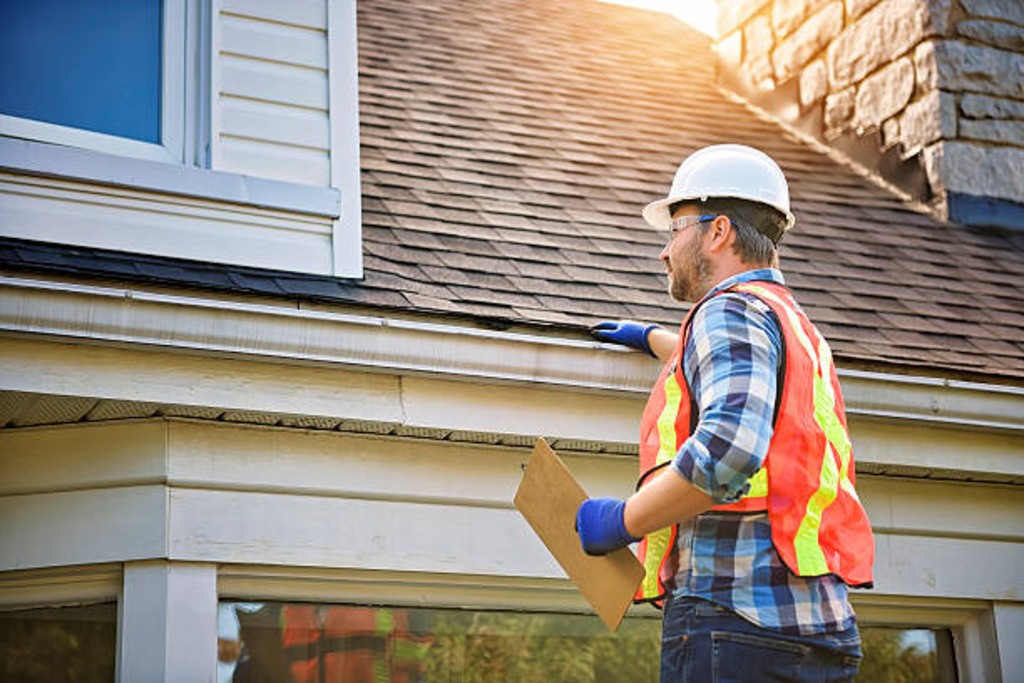
Introduction to Roof Inspection and Preventive Maintenance
Your roof is your home’s first line of defense against environmental elements, yet it is often neglected until visible damage appears. Understanding how often roof inspection IN should be conducted is essential for maintaining structural integrity and avoiding costly repairs. Regular inspections are not just a precaution—they are a critical part of preventive home maintenance.
Over time, exposure to harsh weather conditions, aging materials, and unnoticed damage can compromise your roof’s performance. Establishing proper roof inspection intervals helps identify issues early, ensuring your home remains safe and protected.
For homeowners looking to stay proactive, working with trusted roofing and exterior professionals ensures inspections are thorough and reliable.
Why Regular Roof Inspections Are Essential
Routine inspections play a vital role in extending the lifespan of your roof and preventing unexpected failures.
Key Benefits of Regular Inspections:
- Early detection of damage
- Prevention of leaks and structural issues
- Improved energy efficiency
- Increased property value
Ignoring inspections can lead to severe problems that require expensive repairs. Following recommended roof inspection intervals helps you stay ahead of potential issues.
How Often Roof Inspection IN Should Be Done
One of the most common questions homeowners ask is: how often roof inspection IN is necessary?
General Guidelines:
- At least once a year for standard maintenance
- After major storms or extreme weather events
- Twice a year for older or aging roofs
These recommended roof inspection intervals ensure that any damage caused by weather risks is identified and addressed promptly.
Understanding Roof Inspection Intervals for Different Roof Types
Not all roofs require the same inspection frequency. The material and age of your roof play a significant role in determining inspection needs.
Factors That Influence Inspection Frequency:
- Type of roofing material
- Age of the roof
- Exposure to environmental conditions
For example, shingle roofs may require more frequent checks compared to metal roofs. To better understand these differences, explore this comprehensive roofing comparison guide.
Weather Risks and Their Impact on Roof Health
Weather conditions are one of the biggest factors affecting roof durability. Understanding weather risks can help you determine when inspections are most needed.
Common Weather Risks:
- Heavy rain and water accumulation
- Strong winds causing shingle displacement
- Hail damage weakening roofing materials
- Snow and ice buildup
These conditions can cause both visible and hidden damage, making regular inspections essential for long-term protection.
Long-Term Cost Savings Through Preventive Maintenance
One of the biggest advantages of regular inspections is long-term cost savings.
How Inspections Save Money:
- Prevent small issues from becoming major repairs
- Extend the lifespan of roofing materials
- Reduce emergency repair costs
Investing in routine inspections ensures that minor problems are addressed early, saving you significant expenses over time.
Signs That Indicate You Need an Immediate Roof Inspection
While following roof inspection intervals is important, certain warning signs require immediate attention.
Key Warning Signs:
- Water stains on ceilings or walls
- Missing or damaged shingles
- Sagging roof structure
- Increased energy bills
If you notice any of these issues, it is crucial to schedule an inspection as soon as possible.
The Role of Professional Roof Inspections
While homeowners can perform basic visual checks, professional inspections provide a more detailed assessment.
Benefits of Professional Inspections:
- Identification of hidden damage
- Accurate evaluation of roof condition
- Expert recommendations for repairs or replacement
For a thorough assessment, consider booking a free professional roof inspection.
Seasonal Roof Inspection Checklist
Conducting inspections at the right time of year helps address seasonal challenges.
Spring Inspection:
- Check for winter damage
- Inspect for leaks and water stains
Summer Inspection:
- Look for heat-related damage
- Assess ventilation and insulation
Fall Inspection:
- Prepare for winter conditions
- Clear debris from gutters
Winter Inspection:
- Monitor snow and ice buildup
- Check for structural stress
Following seasonal roof inspection intervals ensures year-round protection.
How Aging Roofs Require More Frequent Inspections
As roofs age, they become more susceptible to damage and wear.
Challenges with Aging Roofs:
- Increased risk of leaks
- Reduced material strength
- Higher maintenance needs
Homeowners with older roofs should prioritize frequent inspections to mitigate risks and maintain safety.
Preventing Major Repairs with Routine Maintenance
Preventive maintenance is the key to avoiding costly repairs and unexpected failures.
Maintenance Tips:
- Clean gutters regularly
- Remove debris from the roof
- Address minor damage immediately
These practices, combined with proper roof inspection intervals, help ensure long-term durability and performance.
How Roof Inspections Improve Home Value
Regular maintenance and documented inspections can positively impact your property value.
Benefits for Homeowners:
- Increased buyer confidence
- Better resale potential
- Reduced negotiation issues during sale
A well-maintained roof is a strong selling point, making inspections a valuable investment.
Conclusion: Protect Your Home with Regular Roof Inspections
Understanding how often roof inspection IN should be conducted is essential for maintaining your home’s safety and value. Regular inspections help identify issues early, reduce weather risks, and provide significant long-term cost savings.
By following proper roof inspection intervals and investing in preventive maintenance, you can extend the life of your roof and avoid unexpected expenses.
Take the first step toward protecting your home today. Schedule your inspection and get expert guidance by visiting the book your roofing consultation.
A well-maintained roof is not just a necessity—it is a long-term investment in your home’s future.
Frequently Asked Questions (FAQ)
How often roof inspection IN should be scheduled?
Homeowners should schedule inspections at least once a year, or more frequently if the roof is older or exposed to severe weather risks. Regular inspections help maintain structural integrity and prevent costly damage.
What are the ideal roof inspection intervals?
Recommended roof inspection intervals include annual inspections and additional checks after major storms. These intervals ensure early detection of issues and effective preventive maintenance.
How do weather risks affect roof inspections?
Weather risks such as heavy rain, wind, and hail can cause both visible and hidden damage. Inspections after such events are essential to identify and address problems before they worsen.
Can regular inspections lead to long-term cost savings?
Yes, routine inspections provide significant long-term cost savings by preventing minor issues from becoming major repairs. They also extend the lifespan of your roof.
Should I inspect my roof myself or hire a professional?
While basic checks can be done by homeowners, professional inspections are recommended for a thorough assessment. Experts can identify hidden issues and provide accurate recommendations.
What happens if I skip regular roof inspections?
Skipping inspections can lead to undetected damage, resulting in costly repairs and reduced roof lifespan. Following proper roof inspection intervals helps avoid these risks.
Free Roof Inspection
Fill out this short form and one of expert team members will contact you.


Secure your property with a team you can trust!
CLICK TO CALL
260-624-5723


