
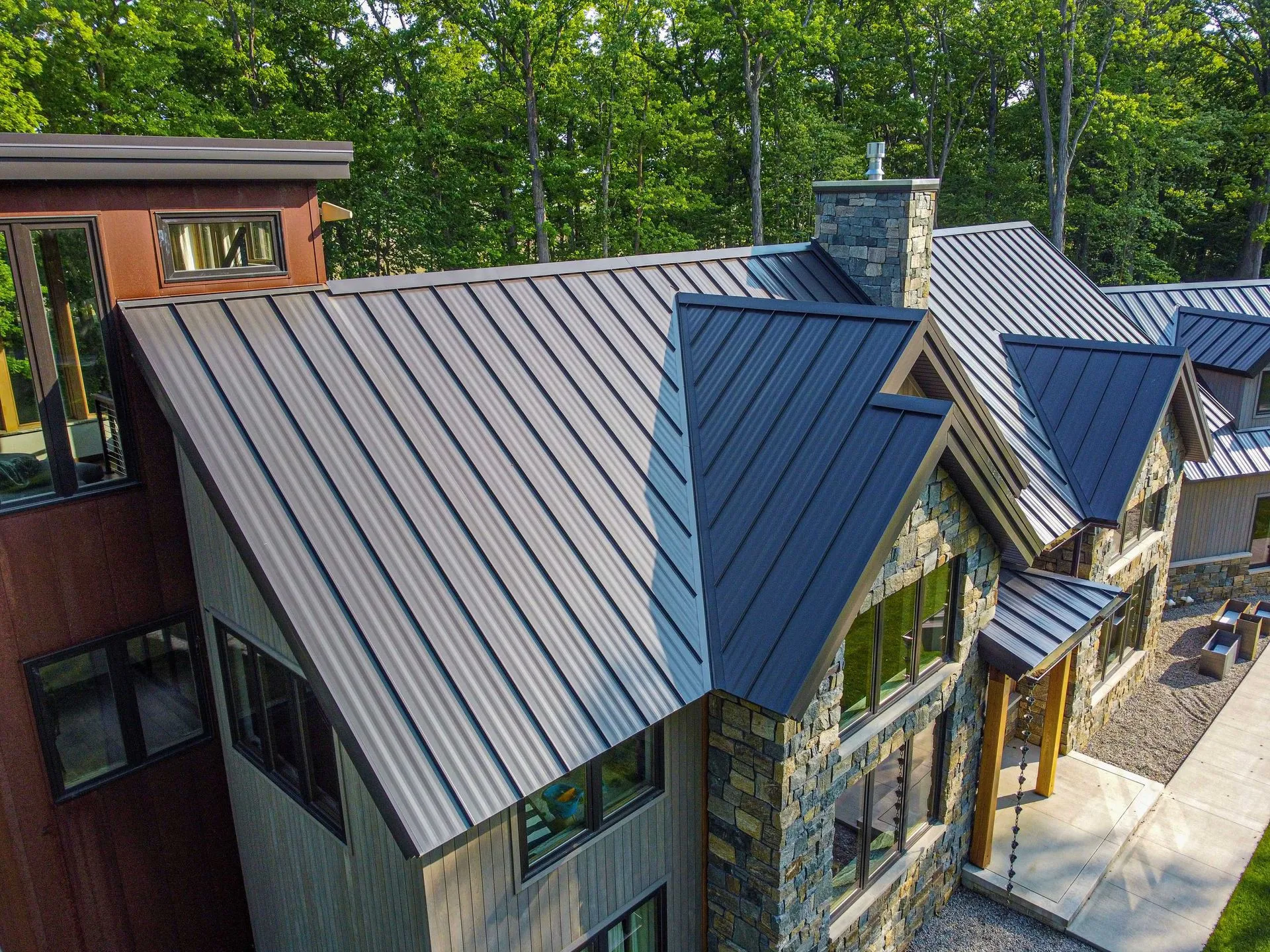
When living in a region known for unpredictable storms, heavy snow, intense heat, or fast-changing weather patterns, your home’s roof becomes one of its most critical lines of defense. Traditional roofing systems often struggle to keep up with the demands of such climates—but metal roofing consistently proves to be one of the most dependable and resilient solutions available today. The benefits of metal roofing for harsh weatherextend far beyond durability; metal roofs offer exceptional energy performance, impressive longevity, reliable wind & snow resistance, and a lower lifetime maintenance demand compared to most other roofing materials.
For homeowners evaluating long-term roofing options, it’s essential to understand what sets a metal roof apart. Companies that prioritize quality and customer education, such as JMS Exteriors, provide transparent guidance and professional installation standards. To explore what a high-level roofing service looks like, review this trusted resource: See premium roofing craftsmanship:Visit JMS Exteriors
Choosing the right roofing material is more than a cosmetic preference—it’s an investment in safety, stability, and long-term home value. Below, you’ll find a comprehensive breakdown of why metal roofing continues to rise in popularity, especially among homeowners seeking a system designed to withstand some of the toughest weather conditions nature can deliver.
Understanding the Benefits of Metal Roofing for Harsh Weather
Metal roofs have become synonymous with performance, reliability, and long-term value. The benefits of metal roofing for harsh weatherbegin with the material’s inherent strength and extend to its ability to provide superior protection against wind, heat, moisture, hail, and snow. Unlike traditional shingles, which can warp, crack, or lift under pressure, metal roofing remains stable and secure—even in climates where weather patterns shift dramatically throughout the year.
These roofs are also engineered with high-grade coatings and finishes designed to resist corrosion, fading, and impact damage. When evaluating roofing systems that can withstand extreme environments, few options can match the engineering and durability standards of metal roofing.
Standing Seam Metal Roofing: A High-Performance System for Severe Conditions
Among the most popular and advanced forms of metal roofing is the standing seamsystem. Its raised seams, hidden fasteners, and sleek interlocking panels offer superior weather protection compared to traditional fastening methods.
Standing seam metal roofs provide:
- Exceptional wind uplift resistance
- Minimal risk of leaks thanks to concealed fasteners
- Long-term structural stability
- Resistance to snow accumulation
- A clean, modern architectural appearance
Because standing seam roofs are engineered for performance in volatile climates, they are often the preferred choice for homeowners who prioritize durability and longevity.
In the middle of your research, it’s useful to compare available systems and understand installation quality standards. For expert insight into metal roofing installation, visit:
Explore specialized metal roofing professionals:Professional Metal Roofers
Wind & Snow Resistance: Engineered for Extreme Weather
One of the core benefits of metal roofing for harsh weatheris its ability to withstand both high winds and heavy snow loads. Metal roofing panels are designed to interlock tightly, forming a continuous protective surface capable of resisting severe uplift forces.
Wind Resistance Advantages
Metal roofs can withstand wind speeds significantly higher than traditional roofing materials, making them an excellent choice in storm-prone regions. The interlocking panel design prevents shingles from lifting or tearing away during harsh weather events.
Snow Resistance & Shedding
Metal roofing naturally encourages snow shedding, preventing heavy buildup that can stress structural components. This reduces the risk of:
- Ice dams
- Roof sagging
- Moisture infiltration
- Freeze-thaw damage
Homeowners in cold climates especially appreciate how metal roofing manages heavy winter conditions without requiring added interventions.
Energy Efficiency Benefits of Metal Roofing for Harsh Weather Homes
Beyond weather resistance, metal roofing is widely recognized for its impressive energy efficiency. High-quality metal roofs are coated with reflective pigments and finishes that help regulate indoor temperatures by reflecting solar heat rather than absorbing it.
Cooling Benefits
In regions prone to heat waves or intense sunlight, a metal roof can lower attic temperatures, reduce HVAC workload, and significantly cut cooling costs.
Insulation and Thermal Stability
Metal roofing systems also support proper insulation and ventilation. When paired with the right underlayment, they help maintain comfortable indoor environments through every season, making them ideal for variable climates.
Environmental Advantages
Metal roofing materials are often manufactured from recycled metals and are 100% recyclable at the end of their life. This reduces waste and provides an environmentally conscious roofing option for homeowners.
Long-Term Durability and Exceptional Metal Roof Lifespan
Homeowners evaluating long-term value appreciate the extended metal roof lifespan. Unlike traditional shingle roofs that require frequent repairs or full replacement after 15–25 years, metal roofs commonly last 40–70 years depending on material type and maintenance practices.
Durability Features Include:
- Resistance to cracking, warping, and rotting
- Advanced corrosion resistance coatings
- Impact-resistant finishes
- Protection from UV degradation
- Strong performance in both hot and cold environments
The combination of durability, structural integrity, and low maintenance demands makes metal roofing one of the smartest long-term investments for homeowners in severe weather climates.
Low Maintenance Requirements Compared to Traditional Roofing
When reviewing the benefits of metal roofing for harsh weather, one key advantage often stands out: minimal upkeep. Unlike asphalt shingles that frequently require patching, sealing, or replacement, metal roofing requires only occasional cleaning and inspections.
Typical Metal Roof Maintenance Includes:
- Removing debris from valleys or gutters
- Inspecting fasteners and sealants periodically
- Checking for loose panels (rare with standing seam)
- Cleaning surface dirt or pollen buildup
Because metal roofing is resistant to mold, insects, and moisture-related decay, maintenance is both simple and cost-effective.
Fire Resistance: Added Safety for Homeowners in High-Risk Zones
Metal roofing is naturally non-combustible and holds a Class A fire rating, making it one of the safest roofing materials available. This is an especially important feature for homeowners who live in regions prone to lightning strikes, wildfires, or severe heat.
A metal roof’s fire resistance adds a layer of security that can significantly reduce risk during unexpected events.
Metal Roofing and Home Value: A Smart Long-Term Investment
Homes with metal roofs often experience an increase in property value thanks to:
- Long lifespan
- Reduced maintenance requirements
- Enhanced weather protection
- Attractive appearance
- Lower utility costs
Potential buyers appreciate a home equipped with a robust, long-lasting roofing system—especially in areas where weather damage is a frequent concern.
Additionally, many insurance providers offer reduced premiums for homes with metal roofing due to their superior performance in harsh conditions.
Choosing the Right Metal Roof: Material Options & Performance Factors
Metal roofing is available in several material types, each offering unique performance characteristics. Common options include:
Steel Roofing
Strong, durable, and commonly used in residential applications.
Aluminum Roofing
Resistant to rust and ideal for coastal or moisture-heavy climates.
Copper Roofing
Premium material offering unmatched longevity and visual appeal.
Zinc Roofing
Self-healing properties and long service life.
Homeowners should consider cost, climate suitability, appearance, and longevity when choosing a metal roofing material.
Professional Installation Matters: Why Expertise Impacts Performance
Even with the best materials, the overall performance of a roof depends heavily on installation quality. Proper spacing, panel alignment, seam sealing, and ventilation setup are all essential components of a well-installed metal roofing system.
Working with trained, certified installers ensures:
- Long-term weather resistance
- Structural integrity
- Warranty compliance
- Proper flashing techniques
- Secure panel fastening
This is why partnering with experienced metal roofers is critical.
Schedule a Professional Roof Evaluation
If you’re considering transitioning to metal roofing, the best first step is a professional assessment. This ensures your current roof structure, insulation, and ventilation are fully evaluated before installation.
Schedule your expert roof evaluation:
Request a Free Roof Inspection
Conclusion: Make the Smart Choice for Long-Term Weather Protection
The benefits of metal roofing for harsh weatherare unmatched when compared to traditional roofing systems. From superior wind & snow resistance to exceptional energy efficiency, long-term durability, and minimal maintenance, metal roofing stands out as one of the strongest and most cost-effective solutions for homeowners seeking protection from extreme climates.
With a lifespan often exceeding 50 years and a proven track record of performance across all seasons, metal roofing offers unmatched security and peace of mind. If you’re ready to invest in your home’s safety, efficiency, and long-term value, choosing a metal roofing system installed by true professionals is the smartest move you can make.
Connect with a trusted roofing specialist today:
Contact JMS Exteriors
Frequently Asked Questions
How long does a metal roof typically last?
A high-quality metal roof can last 40–70 years, depending on material type and maintenance.
Are metal roofs noisy during storms?
When installed with proper underlayment and insulation, metal roofs are no louder than other roofing systems.
Does metal roofing improve energy efficiency?
Yes. Metal roofing reflects sunlight, reduces heat absorption, and helps maintain stable indoor temperatures.
Is metal roofing resistant to high winds and heavy snow?
Metal roofing offers exceptional wind & snow resistance, making it ideal for harsh weather regions.
Does a metal roof require much maintenance?
Maintenance is minimal—usually limited to debris removal and periodic inspections.
Free Roof Inspection
Fill out this short form and one of expert team members will contact you.


Secure your property with a team you can trust!
Request your free, no-obligation quote now for transparent pricing, accurate timelines, and roofing solutions tailored to your needs. Whether you’re in Fort Wayne or a nearby community, we’re ready to protect your home or business with reliable, high-quality service.
CLICK TO CALL
260-624-5723


