
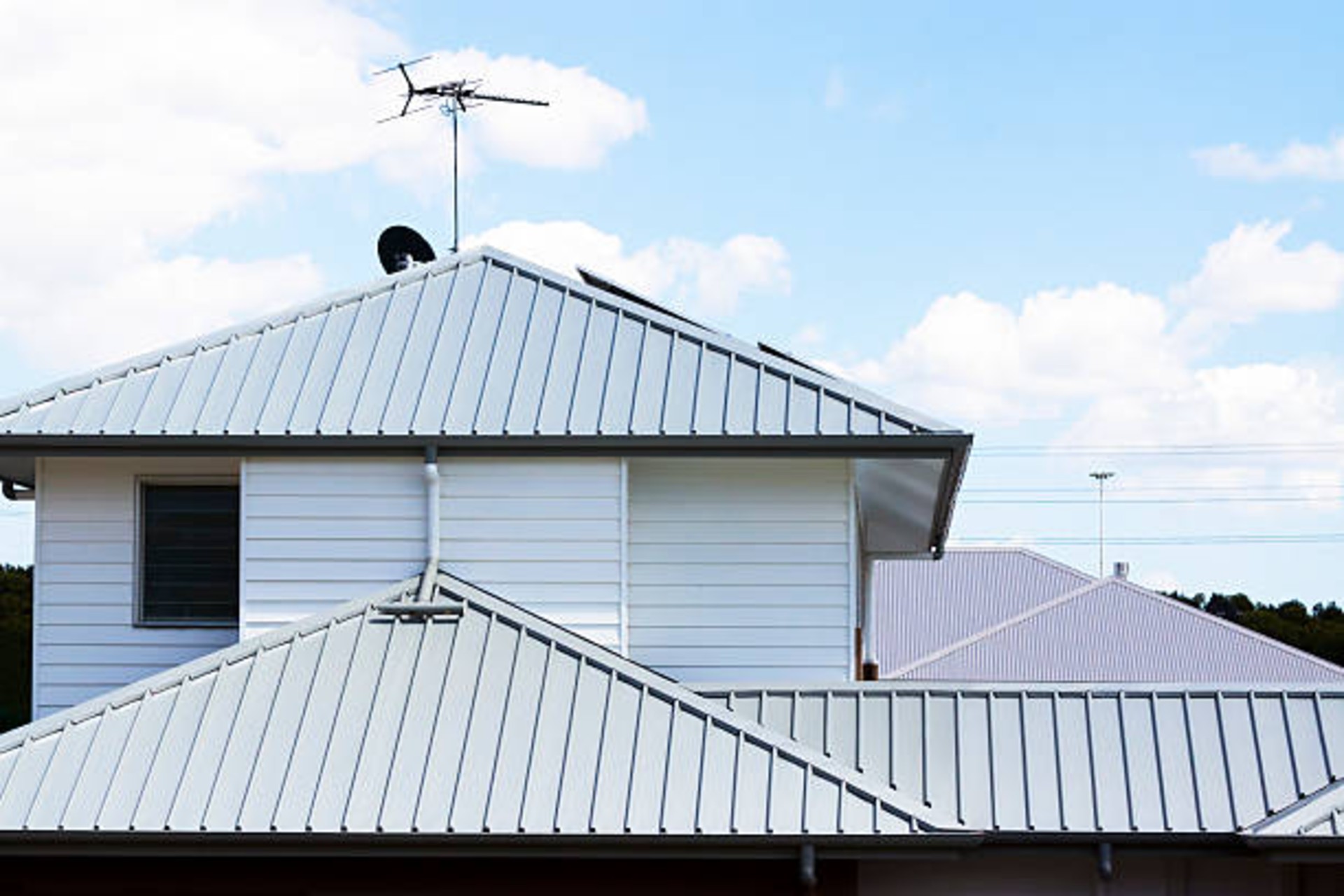
Metal roofing has become one of the most trusted, long-lasting, and energy-efficient options for modern homeowners. However, before you commit to a new metal roof, it’s crucial to understand the metal roof installation steps, how the system works, what materials are involved, and what to expect from a qualified roofing professional. This guide breaks down the entire process so you can make a confident and informed decision for your home.
In the early research phase, homeowners often come across many roofing companies—but choosing a trusted expert is essential. To understand what a dependable roofing partner looks like, explore this helpful resource from JMS Exteriorsthrough this link:visit a reliable roofing company.
What Makes Metal Roofing a Smart Long-Term Investment?
Metal roofing is not just a cosmetic upgrade—it’s a structural improvement that boosts weather resistance, home protection, and longevity. Before diving into installation steps, homeowners should understand the core components that influence performance.
Types of Metal Roofing Systems You Can Choose From
Choosing the right system is the first step before the installation begins. Each metal roofing type offers different performance qualities, durability levels, and design advantages.
Standing Seam Metal Roofing
This high-end option features concealed fasteners, making it ideal for homeowners who want clean aesthetics and superior weather protection. Panels interlock vertically to resist strong winds and ensure long-term durability.
Ribbed or Exposed Fastener Metal Roofing
Ribbed metal panels use visible fasteners and are more budget-friendly. Although they require periodic maintenance to check screws and washers, they offer excellent performance for a wide variety of homes.
Step-by-Step Metal Roof Installation Process
Below is a homeowner-friendly walkthrough of the metal roof installation steps, broken down into practical subpoints to show exactly what happens during the project.
Step 1 — Roof Preparation & Evaluation
Before any panel is installed, the roofing contractor examines and prepares the structure to ensure a safe and effective installation.
Decking Inspection
Roofers inspect the wood decking underneath for rot, warping, or moisture damage. A solid deck ensures fasteners hold securely and prevents future structural issues.
Old Material Removal
Some metal roofs can be installed over shingles, but many projects involve a tear-off. Removing old roofing allows for proper inspection and prevents trapped moisture.
Underlayment Application
Synthetic or high-temp underlayment is installed as the first waterproofing layer. It protects the decking and prevents condensation from damaging the wood surface.
Step 2 — Measuring, Cutting & Preparing Metal Panels
Metal roofing requires precision preparation to align panels accurately and ensure long-lasting performance.
Exact Roof Measurements
Roofers measure slopes, ridges, valleys, and eaves to order custom-cut panels that fit your home perfectly.
Panel Cutting
Panels are cut using special equipment to maintain clean edges without damaging the protective metal coating that prevents corrosion.
Creating Flashings
Flashings are pre-shaped metal pieces used in vulnerable areas—chimneys, valleys, and vents—to keep water out.
Step 3 — Installing the Panels with Proper Fasteners
This stage forms the main protective layer of your new roof.
Fastener Installation for Standing Seam
Standing seam systems use hidden clips or locking mechanisms, keeping fasteners completely concealed for a sleek and watertight finish.
Fastener Installation for Ribbed Metal Roofing
Visible screws with rubber washers are used. Roofers must apply consistent torque to avoid overtightening and prevent leaks.
Panel Alignment & Overlap
Panels are aligned carefully to maintain structural balance and prevent gaps. Proper overlapping ensures wind resistance and complete waterproofing.
For a deeper look at professional metal roofing services, explore this resource:trusted metal roofing specialists.
Step 4 — Ventilation & Insulation Under the Metal Roof
Ventilation and insulation are essential to preventing moisture issues and improving home comfort.
Roof Ventilation Setup
Roofers install ridge vents, soffit vents, or gable vents to allow proper airflow. This reduces heat buildup and lowers attic moisture levels.
Insulation Layer Installation
Depending on the home’s needs, insulation may be added to prevent heat loss in winter and reduce heat transfer in summer.
Noise Concerns Addressed
Modern insulation and underlayment solutions minimize noise from rain or hail, ensuring quiet indoor living.
Step 5 — Flashing, Ridge Caps & Final Weatherproofing
This stage seals all vulnerable areas to prevent water infiltration.
Flashing Installation
Flashings are installed around chimneys, skylights, vents, and valleys to maintain a watertight barrier.
Ridge Cap Placement
Ridge caps seal the roof’s highest point while allowing ventilation to escape through the ridge vent system.
Waterproofing & Sealants
High-grade sealants are used where needed to reinforce the roof’s protection against extreme weather.
Step 6 — Final Inspection & Warranty Explanation
Before signing off on the project, a professional roofer should walk you through the completed installation.
Quality Inspection
Contractors inspect panel alignment, fastener placement, flashing installation, and overall structural integrity.
Warranty Review
Homeowners receive material and workmanship warranty details. Metal roof warranties are typically longer due to excellent durability.
Cleanup & Debris Removal
All scrap metal, packaging, and old roofing materials are removed to leave the property clean and safe.
Benefits of Understanding the Metal Roof Installation Steps
Learning the process empowers homeowners to make informed decisions and avoid poor workmanship. It helps you:
- Recognize proper installation techniques
- Compare roofing contractors confidently
- Ensure long-term roof performance
- Understand warranties and maintenance needs
If you’re preparing for an inspection or want professional guidance, schedule one here:book a free roof evaluation.
Maintenance Expectations After Installation
Even though metal roofs are known for their longevity, routine care maximizes lifespan.
Fastener Check (For Ribbed Panels)
Every few years, screws may need tightening or replacing due to natural expansion and contraction.
Gutter Cleaning
Ensures smooth water flow and prevents overflow that can affect roof edges.
Surface Cleaning
Metal roofs resist algae and moss, but occasional rinsing keeps them looking sharp.
Common Misconceptions About Metal Roofs
“Metal Roofs Are Noisy”
With proper insulation, noise levels are equivalent to or quieter than traditional roofing.
“Metal Attracts Lightning”
Metal roofs do not increase lightning strikes. They are non-combustible, making them safer than many roofing materials.
“Metal Roofs Rust Easily”
Modern metal panels include protective coatings designed to prevent corrosion for decades.
Conclusion
A metal roof is a major investment, and choosing the right contractor ensures long-term performance, safety, and protection. If you’re ready to take the next step toward reliable and expert metal roof installation, connect with a trusted team today.
Reach out through this link:contact the roofing experts.
Frequently Asked Questions
How long does a metal roof installation take?
Most residential installations take 2–4 days depending on roof size, material type, and weather conditions. Complex designs may require additional time for precision cutting and flashing work.
Do metal roofs require a lot of maintenance?
Metal roofs are low-maintenance, typically needing only occasional inspections and cleaning. Ribbed metal roofs may require periodic fastener checks, but standing seam roofs require very minimal upkeep.
Will a metal roof make my home hotter?
No. In fact, metal roofing reflects solar heat, reducing attic temperatures and improving overall energy efficiency. When combined with proper ventilation and insulation, it can significantly lower cooling costs.
Can metal roofing be installed over an existing roof?
Yes—depending on your current roof’s condition. If the decking is solid and local codes allow it, a metal roof can be installed over asphalt shingles, saving time and disposal costs.
How long will a metal roof last?
A properly installed metal roof can last 40–70 years or more. Standing seam systems typically offer the longest lifespan due to concealed fasteners and superior weather sealing.
Free Roof Inspection
Fill out this short form and one of expert team members will contact you.


Secure your property with a team you can trust!
Request your free, no-obligation quote now for transparent pricing, accurate timelines, and roofing solutions tailored to your needs. Whether you’re in Fort Wayne or a nearby community, we’re ready to protect your home or business with reliable, high-quality service.
CLICK TO CALL
260-624-5723


