
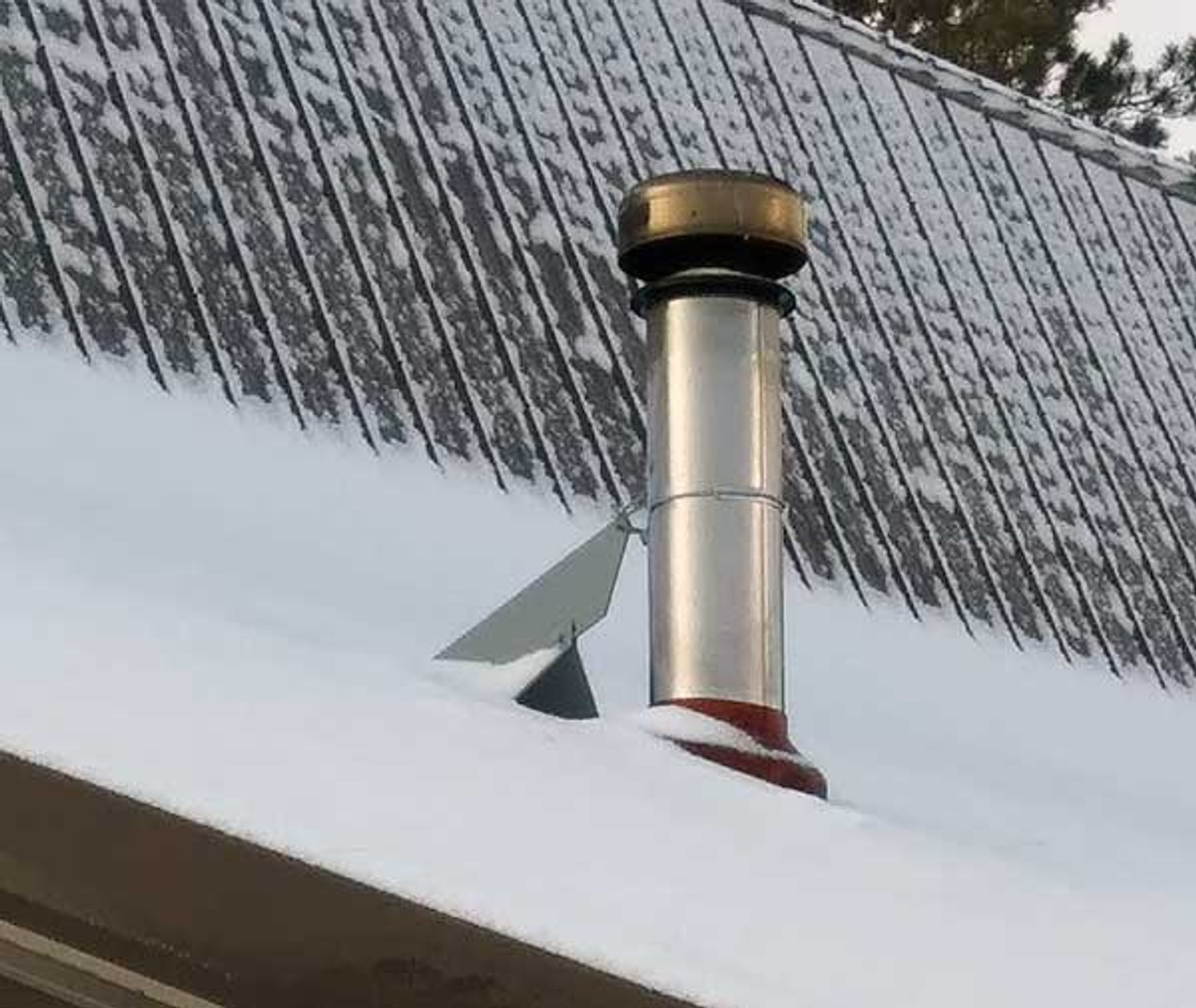
When winter temperatures drop, most homeowners focus on insulation—but attic ventilationis just as important for maintaining a strong, durable roof. Without it, heat and moisture can build up, leading to ice dams, mold, and shingle deterioration. Understanding how ventilation works can protect your home from costly damage and improve energy efficiency.
This guide breaks down the science of attic ventilation, its benefits for shingle roofs, and how professional roofing contractors near mecan ensure your roof performs at its best all year long.
The Science Behind Attic Ventilation
Your attic acts as the middle ground between your home and the outside environment. Proper ventilation ensures that warm, moist air escapes rather than getting trapped. In cold weather, this circulation prevents ice from forming at the roof edges—a problem known as an ice dam.
When snow melts on a warm roof and refreezes near the eaves, it creates a dam that traps water behind it. That water can seep under shingles, damaging insulation and even ceilings. The right roof ventilation in Indianakeeps the attic cool and dry, preventing this destructive cycle.
For homeowners looking to upgrade or inspect their roofing systems,JMS Exteriors LLCprovides comprehensive solutions designed to optimize both insulation and airflow, ensuring your roof stands strong through every season.
Why Roof Ventilation Matters for Shingle Roofs
1. Prevents Ice Dams and Structural Damage
When warm air from your living space rises into the attic, it can cause snow on the roof to melt prematurely. As that water refreezes at the roof’s edge, it can lift shingles and damage the underlayment. Adequate ventilation keeps the attic temperature consistent with the outdoors, minimizing ice buildup.
2. Extends Roof Lifespan
Trapped heat can cause shingles to age faster, curl, or crack. By maintaining airflow, you reduce thermal stress and extend the overall life of your roofing system.
3. Reduces Moisture and Mold
Warm air holds moisture, and without ventilation, condensation forms on the roof decking and insulation. Over time, this moisture leads to mold growth, wood rot, and reduced indoor air quality.
4. Improves Energy Efficiency
A properly ventilated attic helps your HVAC system run more efficiently. During cold months, it prevents excess heat buildup; in warmer months, it allows hot air to escape, reducing cooling costs.
Key Components of an Effective Roof Ventilation System
A balanced attic ventilation system has two types of vents that work together—intakeand exhaust.
Intake Vents
Located along the soffits or eaves, these vents allow cool air to enter the attic. Without them, your exhaust vents won’t function efficiently.
Exhaust Vents
These vents, typically placed near the roof ridge, let hot, moist air escape. The upward airflow keeps your attic environment balanced year-round.
Proper Ventilation Ratio
Roofing standards typically recommend 1 square foot of ventilation for every 300 square feet of attic space. However, professional roofing contractors near mewill calculate the exact requirements based on your home’s design and roof pitch.
Signs Your Attic Ventilation May Be Failing
Even well-built roofs can develop ventilation problems over time. Watch for these warning signs:
- Ice buildup on eaves or gutters
- Mold or mildew odor in the attic
- Peeling paint or warped wood near the ceiling
- Excessive heat in the attic during summer
- Frequent roofing repairs due to shingle damage
If you notice these issues, schedule an inspection with a certified contractor like JMS Exteriors LLCto prevent minor issues from turning into major structural repairs.
Cold Weather Challenges for Shingle Roofs
Indiana’s winters can be unpredictable. Rapid freeze-thaw cycles put tremendous pressure on roofing materials. When warm indoor air meets cold roof surfaces, condensation forms, and without proper ventilation, that moisture gets trapped beneath shingles.
Poorly ventilated attics also trap warm air, creating uneven roof temperatures. This temperature difference accelerates ice dam formation, forcing water beneath the shingles and damaging your insulation, ceilings, and walls.
Roof Ventilation and Insulation: The Perfect Pair
Homeowners often confuse ventilation with insulation—but both play distinct and complementary roles. Insulation keeps heat inside your home, while ventilation lets unwanted moisture and heat escape.
A properly balanced attic has both:
- Insulationprevents warm indoor air from escaping.
- Ventilationreleases any excess heat or moisture that makes it through.
This combination keeps energy costs low and your shingle roofperforming optimally, even in the harshest winter conditions.
How Professional Roofing Contractors Handle Roof Ventilation
When searching for roofing contractors near me, it’s important to find professionals who understand ventilation as part of a complete roofing system.
Experienced roofers inspect several key factors before installation:
- Attic layout and existing airflow
- Roof pitch and design
- Insulation quality
- Existing damage or moisture buildup
Once assessed, they determine whether ridge vents, soffit vents, or gable vents—or a combination of all three—are best suited for your home.
For expert installation and system balancing, consult the specialists atJMS Shingle Roofers, who are known for precision work and quality materials tailored to Indiana’s weather conditions.
The Cost Benefits of Proper Attic Ventilation
While attic ventilation may seem like a small detail, its long-term financial impact is significant. Homeowners who invest in balanced airflow systems often save thousands over the lifespan of their roof.
Lower Repair Costs
Ventilation prevents costly structural issues such as wood rot, mold remediation, and insulation replacement.
Improved Energy Efficiency
Reduced attic heat keeps HVAC systems from overworking, lowering both heating and cooling bills.
Extended Roof Lifespan
Balanced airflow prevents premature shingle damage, delaying the need for roof replacement.
Common Roof Ventilation Mistakes to Avoid
Even small errors during installation can undermine the entire system. Avoid these common pitfalls:
- Blocking soffit vents with insulation
- Using only exhaust vents without intake
- Installing vents unevenly across the roofline
- Over-ventilating, which can cause energy loss
Trust your home to experts who understand performance and protection. Explore theAbout JMS Exteriors LLC sectionto see how their team ensures every roofing project meets the highest standards.
Maintenance Tips for Proper Roof Ventilation
Maintaining your ventilation system is just as crucial as installing it properly. Follow these steps for optimal airflow:
- Inspect vents annuallyfor debris or blockages.
- Clean soffit ventsto prevent clogs from dust or insulation.
- Check attic insulationto ensure it hasn’t shifted and blocked airflow.
- Remove snow builduparound ridge and roof vents after heavy storms.
- Schedule routine roof inspectionswith trusted contractors.
The Role of Roof Ventilation in Preventing Mold and Moisture Damage
Unchecked attic moisture creates the perfect breeding ground for mold. This not only weakens the roof structure but also affects indoor air quality. Spores can spread through HVAC systems, triggering allergies and respiratory issues.
By promoting consistent airflow, a well-ventilated attic keeps surfaces dry and prevents humidity levels from rising—making roof ventilation in Indianaa crucial part of home health and safety.
Why Work With Professional Roofing Contractors
Choosing the right roofing contractors near mecan make all the difference between a temporary fix and a long-lasting solution.
Professional teams like JMS Exteriors LLCuse advanced diagnostic tools to detect hidden airflow issues and ensure your attic ventilation is perfectly balanced. Their expertise in both shingle roofing systemsand attic ventilationensures every project delivers maximum performance, protection, and energy efficiency.
Final Thoughts: Protecting Your Home Starts From the Top
Your roof is more than just shingles—it’s an integrated system that protects your home from the elements. Proper attic ventilationis one of the most overlooked yet critical aspects of that system.
By allowing your roof to “breathe,” you reduce ice dams, prevent moisture damage, and extend the life of your shingles.
If you’re concerned about your attic ventilation or want to ensure your home is prepared for cold weather, reach out toJMS Exteriors LLCfor a professional inspection and consultation.
Frequently Asked Questions (FAQ)
How does attic ventilation affect roof performance?
Proper ventilation regulates temperature and moisture, preventing ice dams, mold growth, and shingle damage.
How do I know if my attic has poor ventilation?
Common signs include ice buildup, musty smells, high attic temperatures, and visible condensation on insulation or rafters.
Can I add ventilation to an existing roof?
Yes. Professional roofing contractors can retrofit vents to balance airflow without requiring a full roof replacement.
How much ventilation does my attic need?
Typically, 1 square foot of ventilation per 300 square feet of attic space is recommended—but this can vary depending on roof design and local climate
Why hire professionals for attic ventilation?
Experts ensure vents are correctly placed, balanced, and integrated with insulation—preventing future issues and improving roof lifespan.
Free Roof Inspection
Fill out this short form and one of expert team members will contact you.


Secure your property with a team you can trust!
Request your free, no-obligation quote now for transparent pricing, accurate timelines, and roofing solutions tailored to your needs. Whether you’re in Fort Wayne or a nearby community, we’re ready to protect your home or business with reliable, high-quality service.
CLICK TO CALL
260-624-5723


